

Search "endometriosis diet" and you'll quickly find miracle regimes, long lists of foods to ban entirely, and promises of a cure through nutrition. The reality is more measured, but not discouraging: diet doesn't cure endometriosis, but some approaches have a real scientific basis for easing symptoms, particularly pain.
This article separates what's actually been studied from marketing promises, so you can try reliable approaches without guilt or unnecessary restriction.
No, there's no universal "anti-endometriosis diet"
This is the most important thing to understand from the start. To date, no clinical data supports recommending one specific, universal diet as a treatment for endometriosis. An NHS patient information leaflet makes this clear: there's no single elimination diet suited to every patient, and personalised nutritional support is preferable to a standardised protocol.
Being wary of "cured by diet" claims isn't excessive caution: it simply reflects the current state of the evidence.
What the research actually shows
That doesn't mean diet has no role at all. Several genuinely studied approaches show promising effects on pain and inflammation:
Mediterranean-style diets. A meta-analysis of 9 comparative studies found that an "anti-inflammatory" diet followed for more than 8 weeks significantly reduced endometriosis-related pelvic pain, particularly in women over 32. This type of diet, rich in fruit, vegetables, oily fish, nuts and healthy fats, has also been associated with a 10 to 25% reduction in circulating oestrogen levels.
Omega-3 fatty acids. Several studies suggest that around 500 mg a day of EPA and DHA (the two most active forms of omega-3) may slow lesion growth and reduce inflammation, particularly in more advanced stages of the disease.
Cutting back on ultra-processed foods. Foods with a high glycaemic index and high in omega-6 (common in industrial products) promote inflammation. Reducing them is among the most widely agreed recommendations.
In that spirit, the NHS recommends favouring fruit, vegetables, oily fish, nuts and seeds, and cutting back on alcohol, caffeine, excess dairy, refined sugar, and red and processed meat.
What remains uncertain
Other approaches, such as vegetarian, low-nickel or low-FODMAP diets, have been proposed for their potential benefits, but the evidence remains limited and often applies only to specific subgroups of patients (those with associated digestive issues, for example). They may be worth exploring with a professional, but shouldn't be adopted blindly or presented as universally effective.
Why personalised support makes the difference
Endometriosis shows up very differently from one woman to another, and so does the response to diet. Working with a specialised dietitian, alongside the medical team following the condition, allows recommendations to be tailored to your actual situation, rather than following a generic protocol found online. It also helps avoid the nutritional deficiencies that overly restrictive diets can cause.
A subject to share as a couple
Adjusting your diet can also become a shared project. Cooking meals together that are richer in omega-3s and vegetables, cutting back on ultra-processed foods as a team, or simply learning together about what's actually proven: this turns an individual adjustment into a shared act of support, in line with what we cover in our article on endometriosis and relationships.
Frequently asked questions
Can diet cure endometriosis?
No. No scientific evidence supports the idea that any diet can cure endometriosis. Some approaches can, however, help ease pain and inflammation.
Which diet is most recommended?
The Mediterranean diet, rich in fruit, vegetables, oily fish and healthy fats, has the strongest evidence for reducing pelvic pain.
Should I take omega-3 supplements?
Some studies suggest around 500 mg a day of EPA and DHA may reduce inflammation. Always check with a healthcare professional before starting any supplement.
Do I need to cut out certain foods entirely?
No full elimination is recommended for every patient. Cutting back on ultra-processed foods, alcohol and refined sugar is widely agreed on, without requiring strict exclusion.
Does every woman with endometriosis need a special diet?
No. The response to diet varies a lot from woman to woman. Personalised support is preferable to a one-size-fits-all protocol.
Sources: NHS
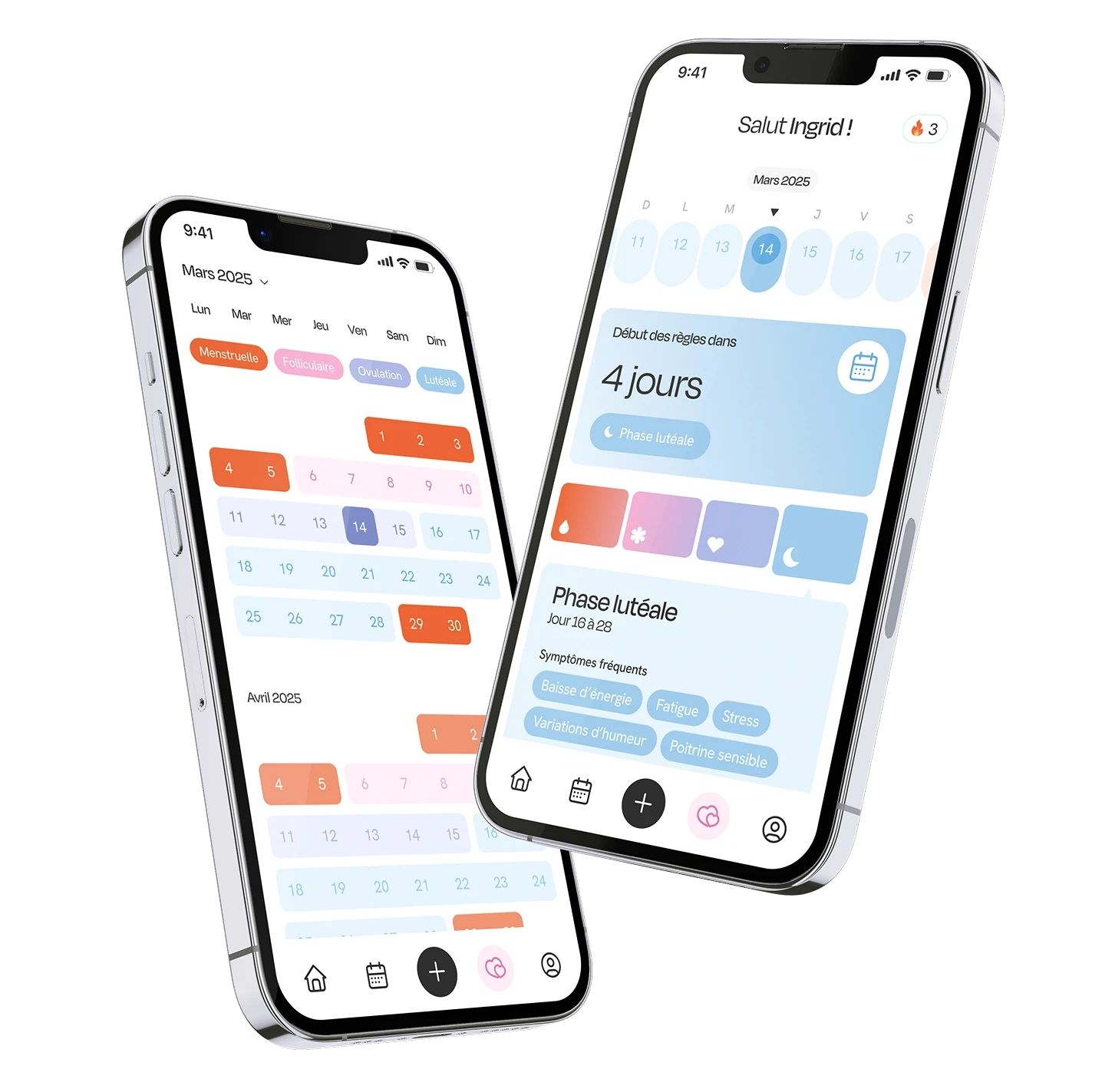
Understanding what genuinely helps your body also means knowing how to spot false promises. With Wenly, you can track your symptoms across the cycle, alone or together, to identify what actually works for you and discuss it with your medical team.