
Your partner lives with endometriosis, and you sometimes feel helpless in the face of pain you can neither see nor feel yourself? That's a very common reaction. Endometriosis affects around one in ten women of reproductive age, and it's an invisible chronic illness: nothing on the outside gives away what's happening inside.
This article brings together concrete markers for supporting a partner with endometriosis: understanding what she's going through, knowing what to do during a painful flare-up, adjusting intimacy, and avoiding the phrases that, without meaning to, cause harm.
Understanding what endometriosis really is
Endometriosis is a chronic gynaecological condition: tissue similar to the uterine lining grows outside the uterus (on the ovaries, bladder, intestines), causing inflammation and pain. It's neither psychological nor exaggerated. It's a well-documented physical condition, and its intensity varies enormously from woman to woman, not always matching the severity of lesions seen on imaging.
One essential thing to know: the average delay between first symptoms and diagnosis is often several years. During that time, many women are told their pain is exaggerated or "normal." Knowing this helps explain why believing your partner, without trying to verify or minimise it, is as simple as it is fundamental.
What genuinely helps during a painful flare-up
Flare-ups aren't predictable and vary in intensity. A few concrete gestures make a real difference:
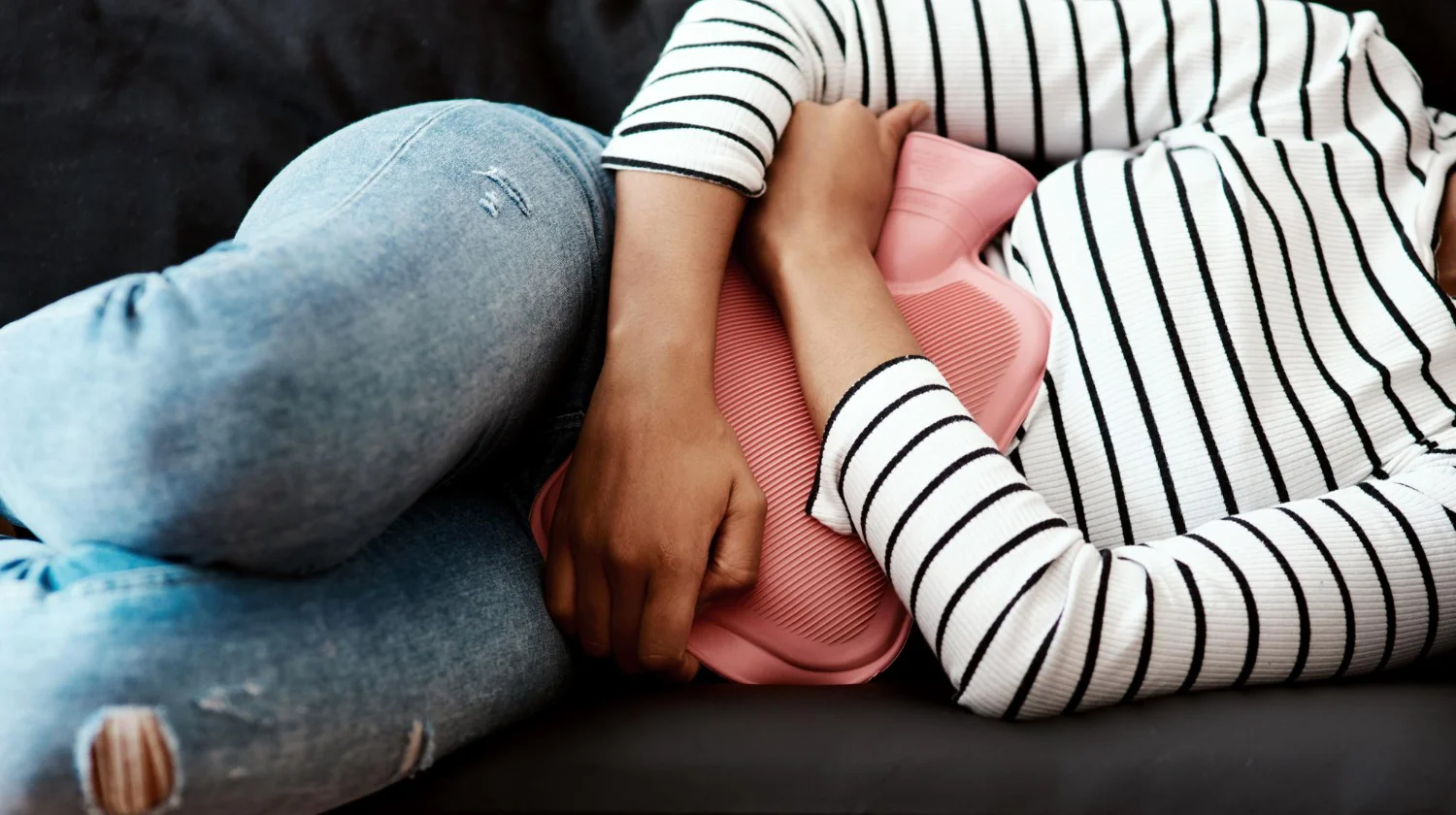
Keep a "flare-up kit" ready in advance. A hot water bottle, painkillers, a blanket: heat relaxes the muscles and genuinely eases pelvic pain, much like it does for painful periods.
Lighten the load without being asked. Taking care of a meal, cancelling a plan, handling an urgent task: the chronic fatigue that comes with pain is often underestimated.
Respect the need for rest, even unplanned. A flare-up can happen at any time. Not making a change of plans feel like a burden helps enormously.
Offer without pushing. She knows better than anyone what she needs in the moment; offering help and respecting a "no" are part of the same supportive gesture.
Supporting a care journey that's often long
The path to diagnosis, then to suitable treatment, is frequently long and exhausting. Being there at medical appointments, when she wants you there, can lighten that load: asking questions together, taking notes, simply not leaving her alone to face sometimes complex explanations.
On the diagnostic front, things are improving: newer testing methods and growing medical awareness are gradually shortening the wait many women face before getting answers.
Adjusting intimacy, without making it taboo
Pain during sex (dyspareunia) affects a significant share of women with endometriosis. It's a delicate topic, but an essential one to raise openly:
Broaden the definition of intimacy. Sex isn't limited to penetration: tenderness, touch and other forms of closeness remain possible and matter.
Never push after a "not tonight." Pain-driven refusal isn't personal rejection.
Talk about it calmly, outside of intimate moments, to work out together what helps and what to avoid.
Phrases to avoid (even well-intentioned ones)
Some common but hurtful comments are worth steering clear of:
"But you don't look sick." Endometriosis is an invisible illness; the absence of outward signs says nothing about how intense it really is.
"Another bad day?", said with weariness, turns a chronic illness into a held grievance.
"Periods hurt for everyone." This comparison minimises pain that has nothing to do with ordinary discomfort.
Believing her, listening, and never comparing her pain to anyone else's remains the foundation of any useful support.
Trying for a baby, a stage to go through together
Endometriosis is associated with reduced fertility in 30 to 40% of affected women, though this doesn't mean pregnancy is impossible. If you're trying for a baby, the path can be longer and more demanding. Learning about it together, taking part in medical decisions, and not leaving your partner to carry the waiting alone: this is what keeps her from facing the ordeal in isolation.
Frequently asked questions
How do I know if my partner's pain is really linked to endometriosis?
You don't need to verify it yourself. Believing what she expresses and encouraging her to see a gynaecologist is the best approach.
What can I actually do during a flare-up?
Prepare a hot water bottle, take on everyday tasks, respect her need for rest, and stay available without imposing your presence.
Does endometriosis prevent sex?
Not always, but it can make certain moments painful. Broadening intimacy beyond penetration and talking about it openly helps preserve closeness as a couple.
How can I help without being overbearing?
Offer your help without pushing, and respect a refusal. She remains best placed to know what she needs at any given moment.
Does endometriosis prevent having children?
It's linked to reduced fertility in 30 to 40% of affected women, but many pregnancies remain possible, either naturally or with medical support.
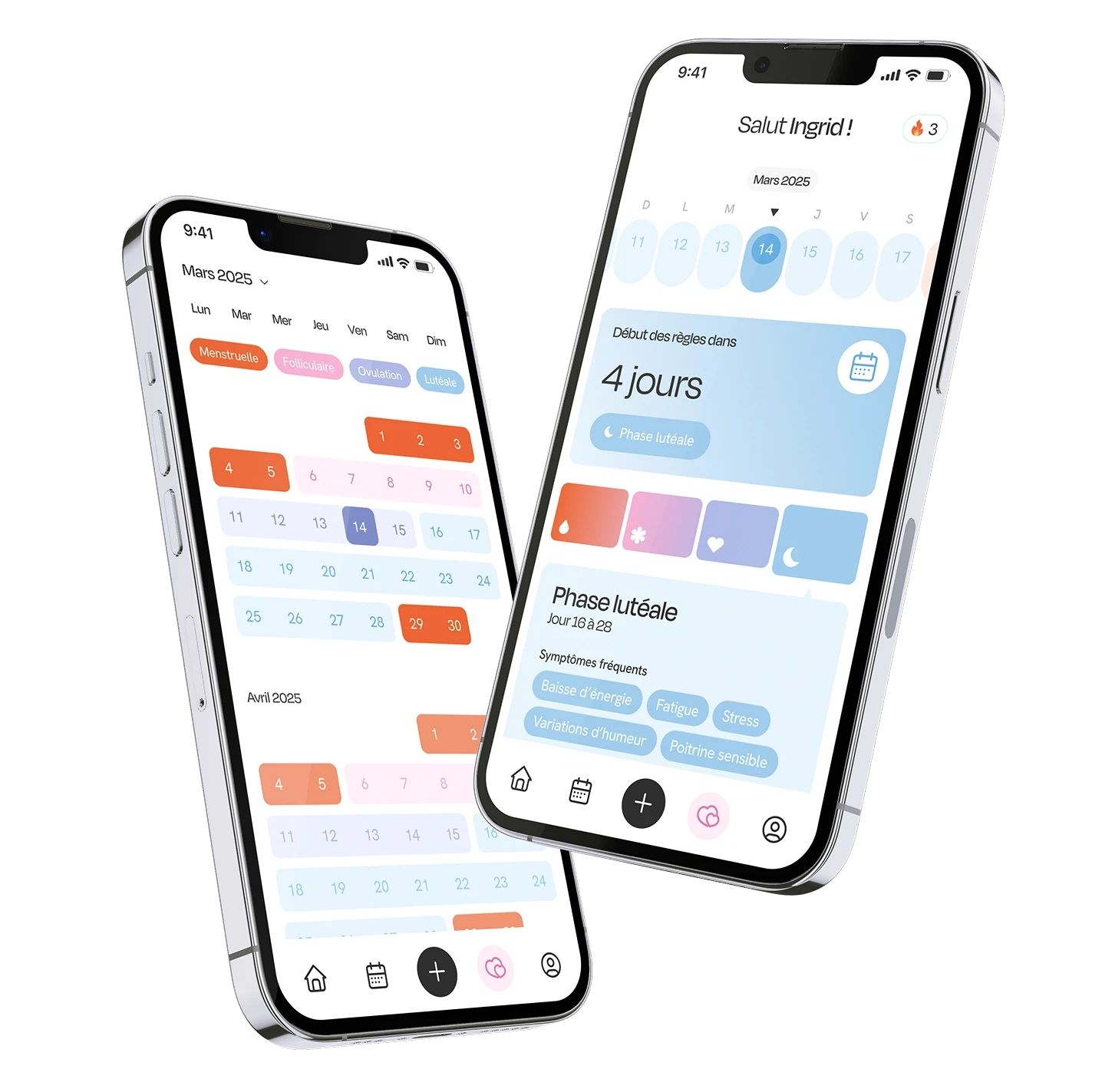
Understanding your partner's endometriosis already lightens part of her burden. With Wenly, you can track her cycle and symptoms together, anticipate the harder days, and walk into medical appointments with concrete markers rather than vague impressions.