

Fertility
The Fertile Window: How to Spot Your Most Fertile Days
Trying for a baby? The fertile window lasts about 6 days. How to spot it through ovulation and your body's signs, tracked together.
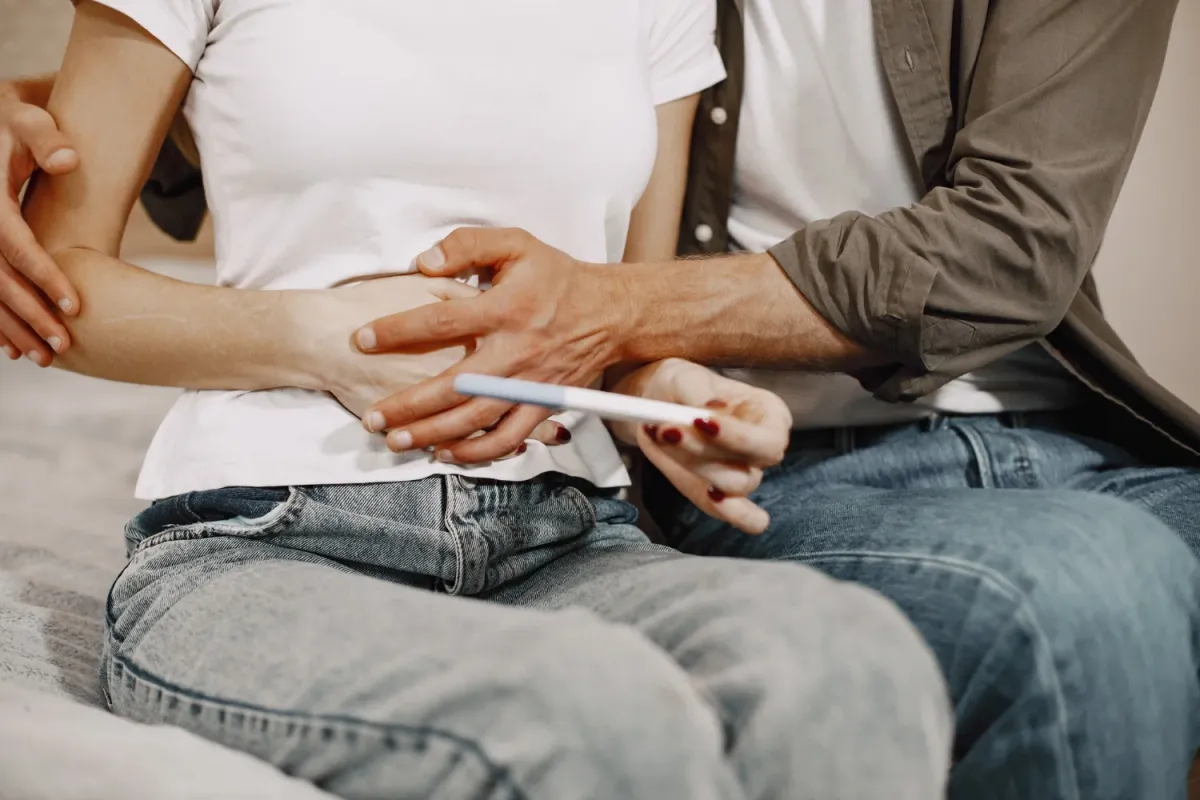
When you want a child, one question comes up fast: when are you most likely to conceive? The answer lies in a key idea, the fertile window. Contrary to a common belief, you're not fertile all month, nor only "on the day of ovulation": there's a precise window, a few days long, when sex can lead to pregnancy.
This article explains what the fertile window is, why it lasts about six days, and how to spot it through your body's signs. With one simple goal: helping you, as a couple, give yourselves the best chances without turning trying for a baby into an anxious calculation.
What is the fertile window?
The fertile window is the part of the cycle when sex can lead to pregnancy. It's built around ovulation, the moment the ovary releases an egg (to understand the whole sequence, see our article on the phases of the menstrual cycle).
This window lasts about 6 days: the 5 days leading up to ovulation, plus the day of ovulation itself. So fertility peaks both before and during ovulation.
Why about 6 days?
This length comes down to a difference in survival between the two cells involved. The egg is only fertilisable for 12 to 24 hours after it's released. But sperm can survive several days in the female reproductive tract when the cervical mucus is favourable: up to 7 days, according to the NHS.
In practice, this means sex several days before ovulation can absolutely lead to pregnancy: the sperm "wait" for the egg. It's also why there's no point aiming only for the exact day.
How to spot your fertile window
Several bodily signs help identify approaching ovulation:
Cervical mucus. As ovulation nears, it becomes more abundant, clear and stretchy, a bit like raw egg white. It's the most reliable everyday sign: this "fertile" mucus helps sperm survive and travel.
Basal body temperature. After ovulation, your waking temperature rises slightly (under the effect of progesterone). It confirms ovulation, but only after the fact.
Ovulation tests. Sold in pharmacies, they detect the LH surge in urine that precedes ovulation by 24 to 36 hours.
Other signs. A slight pain on one side of the lower abdomen, breast tenderness or a rise in libido can accompany this period.
Combining mucus observation with ovulation tests, if needed, often gives the most accurate reading.
Calculating isn't enough: better to observe
Online calculators often assume ovulation happens "on day 14." That's a misleading average: according to the NHS, ovulation most often happens 10 to 16 days before the next period, and this timing varies from one woman to another, and from cycle to cycle. If your cycles are irregular, a simple calculation is even less reliable.
That's why it's worth observing your own cycle rather than trusting a general formula. Noting the date of your period, the nature of your mucus and your symptoms, cycle after cycle, lets you pinpoint your fertile window far more accurately.
A project you live together
Spotting your fertile window isn't a solo science. On the contrary, it's often simpler, and lighter, when both partners take an interest together. Sharing cycle tracking keeps the pressure of "now's the moment" from resting on one person, and lets you approach trying for a baby with closeness rather than pressure.
A reassuring final note: even when you time the fertile window well, conception often takes several cycles, which is perfectly normal. If no pregnancy occurs after about a year of trying (or six months after 35), it's advisable to talk to a professional.
Frequently asked questions
How many days does the fertile window last?
About 6 days: the 5 days before ovulation and the day of ovulation. This is due to the prolonged survival of sperm.
When is the best time to conceive?
The days immediately before ovulation and the day of ovulation. Having regular sex during this window maximises the chances.
Can you get pregnant outside ovulation?
Yes, in the days before ovulation, because sperm survive several days. It's rarer just after ovulation, once the egg hasn't been fertilised.
Does ovulation always happen on day 14?
No. It most often happens 10 to 16 days before the next period, and the exact day varies by person and cycle.
How do I know if I'm ovulating?
Cervical mucus (clear and stretchy), a slight rise in waking temperature or a positive ovulation test are good indicators.
Giving yourselves the best chances starts with knowing your cycle well. With Wenly, you can track your ovulation, your fertility signs and your cycles, and share that tracking with your partner, to live your journey toward a baby together, calmly.

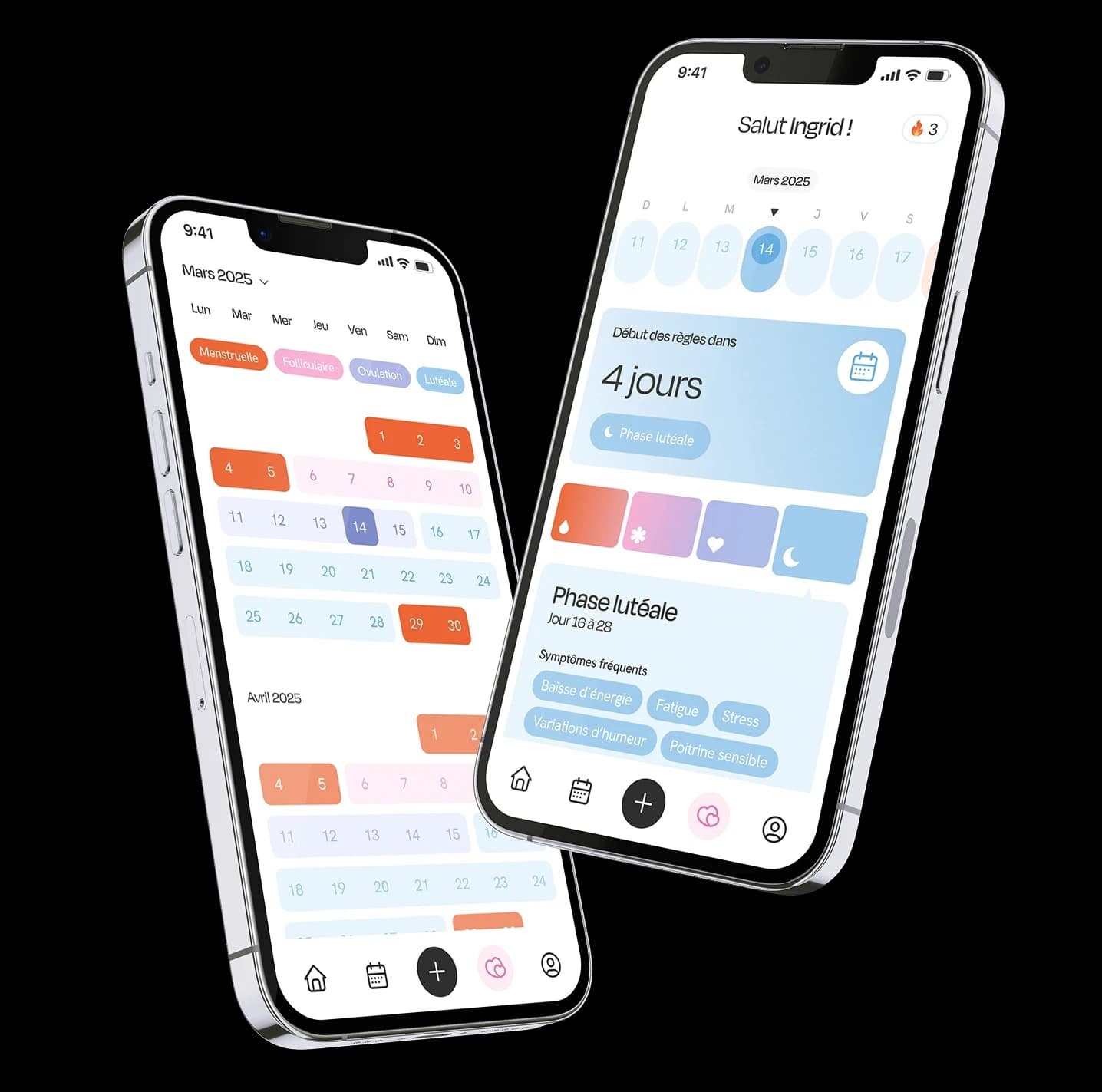
Wenly : The cycle tracking app for couples
It was with this in mind that Wenly was created : the first French menstrual cycle tracking app designed with the couple in mind. Wenly makes it easy to track your cycle, understand its phases and associated symptoms, and share key information with your partner without having to explain every detail.
The goal is clear: to transform menstrual tracking into a tool for mutual understanding and communication.