

Your period is late and your mind is already racing? It's a very common reaction. Yet a late period doesn't always mean pregnancy, far from it. The menstrual cycle is sensitive to a whole range of factors, and an occasional delay is often completely harmless.
This article walks calmly through what a late period really is: when a delay actually counts as "late," the most common causes, and the situations that warrant a doctor's visit. The goal is to help you tell an ordinary blip of the cycle apart from something that deserves professional advice.
When does a period count as late?
First, it helps to know what a "normal" cycle looks like. A menstrual cycle lasts 28 days on average, but anything between 21 and 35 days is considered normal. Small variations from one month to the next are common: a cycle is not a metronome.
So a period is late when it doesn't arrive within your usual range. A day or two off is nothing to worry about. According to the NHS, periods are considered irregular when the gap between them is less than 21 days or more than 35 days, and this usually doesn't signal any problem. Knowing your own rhythm is the best reference point.
Pregnancy, the first thing to rule out
If you're sexually active and your contraception isn't foolproof, pregnancy is the most common cause of a missed period. The good news is that it's also the easiest to check. A urine pregnancy test can be taken from the first day your period is late, and its reliability increases over the following days. If doubt lingers despite a negative test, a blood test can settle it.
Once this possibility is ruled out, it becomes easier to look at the other explanations, which are often far more ordinary.
The other common causes
The cycle is driven by a delicate hormonal balance that many everyday events can temporarily disrupt:
Stress. A spike of stress, an emotional shock or a period of burnout can delay ovulation, and therefore your period.
Weight changes. Rapid weight loss or gain, or a restrictive diet, directly affect hormone production.
Intense physical activity. High training loads, particularly in athletes, can space out or even pause periods.
Travel and jet lag. A significant change of rhythm can be enough to disrupt a cycle.
Thyroid problems. An overactive or underactive thyroid affects the cycle, as the NHS points out.
Polyendocrine metabolic ovarian syndrome (formerly PCOS). It's one of the common causes of irregular cycles and disrupted ovulation.
Recently stopping contraception. After coming off the pill, it's normal for the cycle to take a few weeks to start up again.
Approaching menopause. From the forties onward, perimenopause often comes with more irregular cycles.
In most of these situations, the cycle settles on its own once the cause has passed.
When to see a doctor
An isolated late period usually isn't cause for alarm. Still, some signals call for professional advice. If your periods have been absent for more than 3 months (this is called amenorrhoea), it's worth looking for the cause with a doctor.
See a professional too if your delays become repeated, if your cycles stay irregular over time, or if the delay comes with other signs: unusual facial hair growth, weight changes, marked fatigue, or abnormal pain or bleeding. These aren't signs of something serious in themselves, but they deserve a check-up to rule out a hormonal, thyroid or gynaecological cause.
Tracking your cycle to understand it better
Faced with a late period, your best tool is knowing your own cycle. Noting the date of your periods, the length of your cycles and any associated symptoms lets you spot what's normal for you, and so identify more quickly what falls outside the ordinary. It's also valuable information to bring to an appointment: a concrete history beats vague memories.
And this tracking doesn't have to be a solo effort. Sharing cycle tracking with your partner helps take the drama out of a late period, makes it easier to talk about, and lets you get through moments of waiting or doubt together, whether it's about trying for a baby or simply understanding your body.
Frequently asked questions
Is a period that's a few days late something to worry about?
No. A delay of a few days is very common and usually harmless. The cycle naturally varies from one month to the next.
Can you have a late period without being pregnant?
Yes, very often. Stress, weight changes, intense exercise, travel, thyroid problems or recently stopping contraception can all delay a period.
When should I take a pregnancy test if my period is late?
A urine test can be taken from the first day your period is late. If it's negative but doubt remains, repeat it a few days later or ask for a blood test.
How long without a period before seeing a doctor?
An absence of periods for more than 3 months should prompt a visit to look for the cause. See a doctor sooner if delays are repeated or come with other symptoms.
Can stress really delay a period?
Yes. Stress acts on the hormones that trigger ovulation and can therefore delay a period, without any underlying illness.
Sources: NHS (irregular periods) — NHS (missed periods)
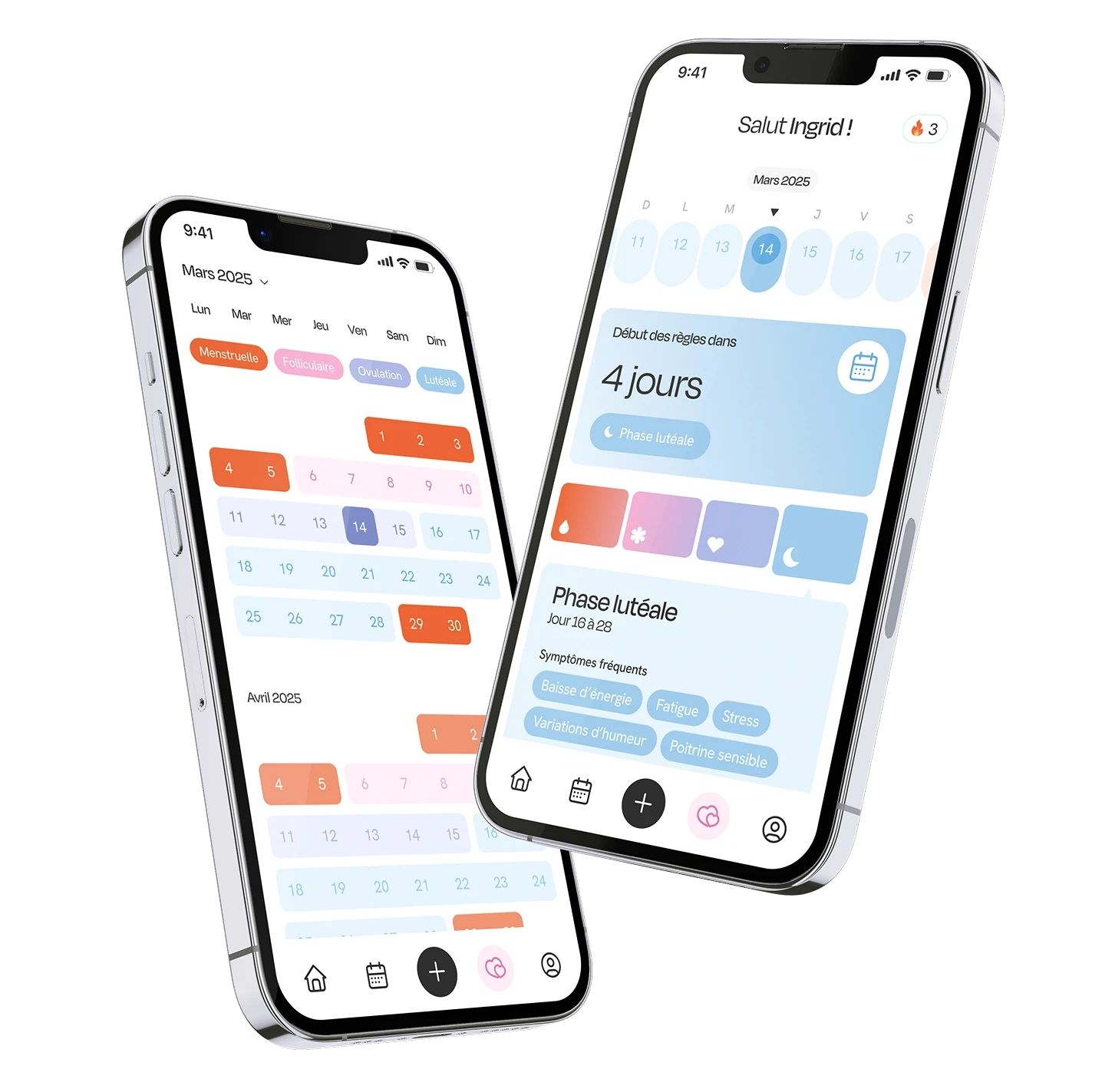
Knowing your cycle means being caught off guard less often. With Wenly, you can track your periods and symptoms, spot your usual rhythm and share that tracking with your partner, so you can face a late period with clear markers rather than worry.